
Thomas Jefferson August 23rd 1785
“Cultivators of the earth are the most valuable citizens. They are the most vigorous, the most independant, the most virtuous, and they are tied to their country and wedded to it’s liberty and interests by the most lasting bands.”
–
This is the time of the season that these farmers have to see past their fears. To trust their instincts and to have faith that through hard work and perseverance it will all work out. We have twenty members signed up and a little over two months to sign up an addition forty five members, which we desperately need in order to cover all of our costs. We sit and ponder, when that rain is falling and the farm chores are complete, how to market, how do we find those forty five CSA customers. Do we focus our advertising efforts on the blog or social media, do we shake hands in front of food co-ops, do we post craigslist adds or put up flyers? With a budget of a few hundred dollars the challenge seems insurmountable. And to take it one step further how do we attract those members who will incorporate themselves into the community of our farm, who seek refuge on the farm, helping us to weed, harvest or just show up to take in the sun and the beauty of our garden. We spent the last couple years bending over backwards to get folks to sign up and have come to the realization that we can’t do that anymore. It just isn’t sustainable for us and it is not the vision we have for the farm. We have to meet in the middle.
–

–
We want to build a community of people that are passionate about the pursuit; the pursuit of healthy living, healthy food, healthy relationships and healthy conversations over wine at old wooden farm tables. We want to see families on the farm playing catch with dad and watch children munching on veggies straight from the soil. All just because their favorite farmer told them that it was delicious and safe. To watch parents watch their kids eat veggies for the first time and then glance at me like, ‘how did farmer Brian get them to eat that?’ And to see our “lost generation” of young professionals invest their money in a CSA because they want to choose a sustainable lifestyle, to pursue a diet that keeps them energetic and their healthcare costs to a minimum. We want to attract those folks who take time to do the math. All of the math. Folks that realize that the produce we are growing is cost effective. That it costs about forty bucks a week and it is enough food for three people to share. That breaks down to thirteen dollars per person per week and the food is fresh, it is harvested just hours before you have it in your home.
–
–
We hope to have the types of members who’ll take the time to understand that their farmer works eighty hours a week and makes $1,500 a month, which equals four dollars and sixty three sense per hour, half of the minimum wage in Oregon. And we want those people to know that this salary is not a problem because we are happy and we love what we do. For that we are so grateful, we are living our dream.
–
–
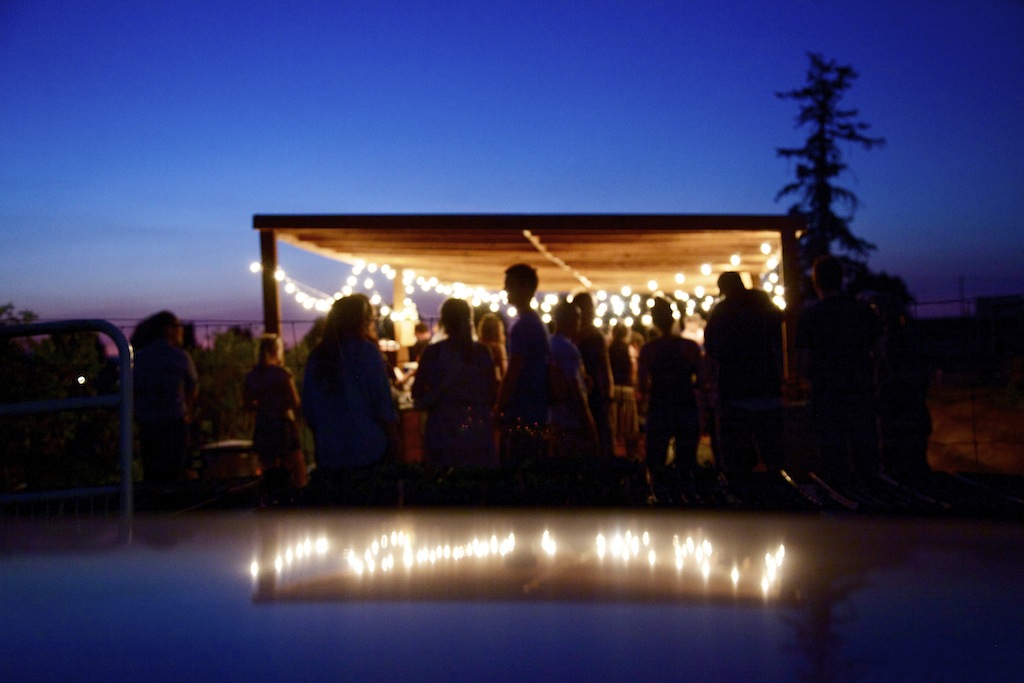
It is the families, the friends, the time we get to spend alone, thoughtfully harvesting our carrots or watching a community of strangers come together to watch ‘Cool Hand Luke’ in the pasture on a hot summers night. These things are a gift.
–

–
We believe that the CSA business model is sustainable for us and for our community, we have to believe it . Through this process of learning to be better farmers/small business owners we have come to a new definition of wisdom. That wisdom is the renewed faith in ones self that leads them to believe they are capable of surmounting all fears that lie ahead. Now is the time when we choose to believe that we are capable. We believe that small farms are necessary for the health of our communities and our local economy. And maybe that is just it, maybe community isn’t something that one finds but is built by all of us.
–
faithfully yours,
–
farmer brian
–

__________________________________________________________________________
Your Contribution (as easy as 1, 2)
The full payment (of $625) is due when signing up for the CSA. Once your payment is received we’ll send you a confirmation email welcoming you to our CSA program. It is important to sign up for your share as early as possible in the season for two reasons: to reserve your CSA share, as shares are limited to 75, and to help your farmers absorb the initial expenses in the beginning the season. If you prefer to pay for your share in two installments please contact us at workinghandsfarm@gmail.com and we can make and specific arrangement.
__________________________________________________________________________
(Step 1) Send a Check
Make it out to ‘Working Hands Farm’ and send it to 16200 SW Terrace Dr. Lake Oswego, OR 97034. If you want to pay with cash or with a check in person, you can come visit us on the farm anytime. This is a great way to meet your farmers and get a feel for the place. The farm address (we do not receive mail at this address) is 12101 SW River Road Hillsboro, Oregon 97123 just shoot us an email or give us a call before hand (503) 804-1143. lookin’ forward to seeing you all this summer.
__________________________________________________________________________
(Step 2) Fill out the Form


__________________________________________________________________________
Thank You for your support!
__________________________________________________________________________
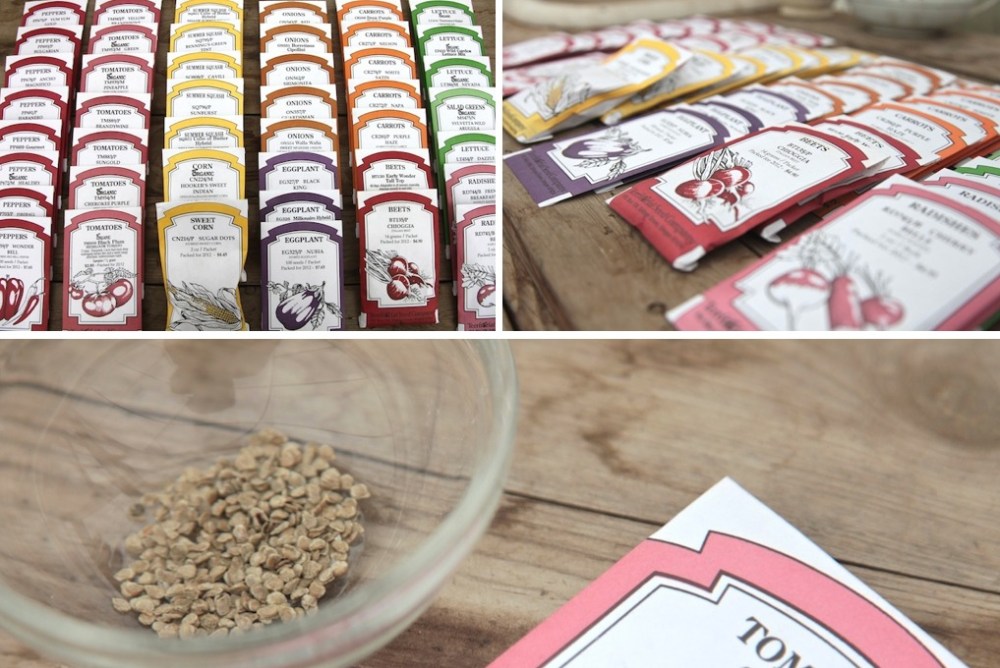
This post is all about seed starting in the NW and specifically in Portland. It covers what you need to start veggies from seed, where you can buy what you need, the simple science of starting seed (not from a dandies perspective but from a farmers) and a very basic applied methodology. If starting from seed is still too intimidating for you just swing by the farm and I’ll get you started in proper fashion. Enjoy!
The Seed:
The seed needs come from a reliable source and if you are purchasing it you should only buy the current years seed. I have primarily used Territorial Seed, based in Cottage Grove, for the past three seasons and I am a huge fan. Their seed tends to be a little expensive but you pay for what you get. When storing the seed you should keep it in a cool dry place and if you take good care of it it will last you a couple of years.

The Blend:
It is not worth your time to start seed with garden soil so fork over the cash to buy a seed starting medium. I buy mine from Concentrates (they are total sweet hearts by the way) located near Bob’s Red mill in deep S.E. and they sell for $10 a bag (1.5 Cubic feet). I blend three parts of the orange bag (an almost nitrogen neutral potting soil) to one part seedling medium (completely nitrogen neutral, purple bag). I do this for a couple reasons, one because most seedling mediums that you buy tend to crust over and impede the sprouts from breaking through into the open air. The second reason is that I want to dilute the amount of nitrogen in the soil from the orange bag because nitrogen promotes foliar growth in plants and too much growth in seedlings. That is why when most gardeners plant in a potting soil or compost they get leggy, tall weak plants, not because you don’t have enough light but because the soil is too nitrogen rich. Remember seeds don’t know photosynthesis, they don’t need light in the beginning. So Nitrogen is bad for seed starting. The three numbers you see on the orange bag refer to the NPK ratio (Nitrogen, Phosphorus, Potassium) of the soil medium. For seed starting you want those numbers as close to zero as possible. So now you know what to plant your seeds into, where to buy what you need and how much it costs.
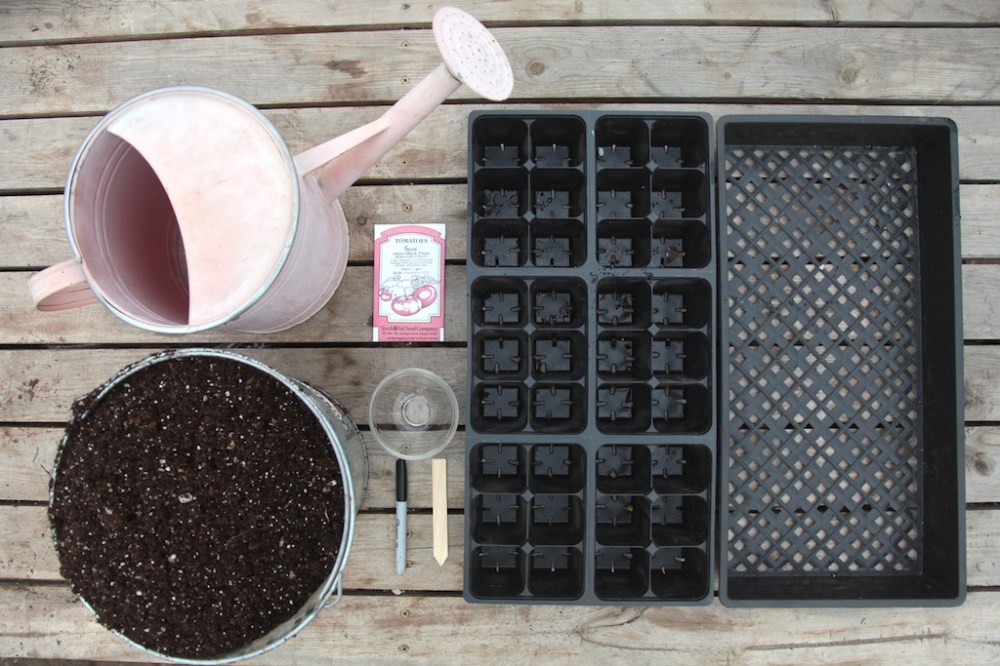
The Tools:
You can see in the picture above. Watering can, bucket of soil, bowl (not needed if you have the tinest fingers in the world), a pen (because you need to write down what seeds you are starting on a tag otherwise you will forget), a tray (can be purchased at any garden store but if you want to buy the in bulk you can buy sets of 100 from Mckonkeys in Wilsonville. This is all you need besides what nature provides.
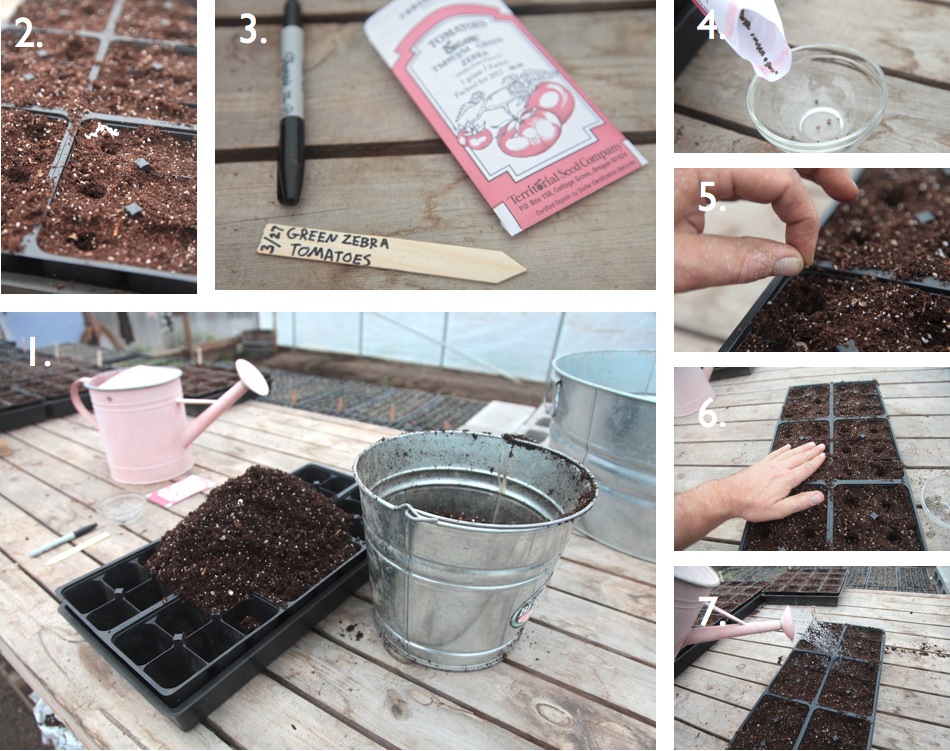
The Method:
Okay, so here is how seed starting works. Veggie seeds need three things in order to germinate properly: air, water, heat (heat via soil conductivity). You get air from the space in the seedling medium that you are using. It has a bunch of stuff in it that is spongy (vermiculite, Pumice, etc..) and most importantly it has Peet Moss (which can be substituted for coconut coir depending on which one you think is more ethical) and peet moss in considered to be both hydrophobic (afraid of water) and hydrophilic (a lover of water) which means your little seed will have access to both water and air. You will add the water and you should wet the soil all the way through after you have planted your seed. Folks commonly say that it should have the moisture content of a wrung out towel, which I can’t figure out how to reproduce so don’t worry about it, just don’t let it dry out completely. With this mix you only need to water every two or three days at 70 degrees F. Now to explain heat, veggie seeds all germinate at a different temperatures. Peppers want the most heat, 80 to 90 degrees, so if you want to germinate those bad boys you will need an electric heating mat that you can purchase from any garden store. They are a touch expensive ranging from $30-$70 but peppers are expensive to buy so you can decide for yourself. Tomatoes need about 70 degree F to germinate and everything else is below that. Your average house temperature will be just fine and if you are concerned or want to feel more connected to the process you can buy a soil thermometer for a few bucks at any garden store and keep track of your soil temp. I use them all the time. As far as how deep you need to plant your seed into the tray don’t worry about it, I don’t. So now you know what a seed needs to germinate.
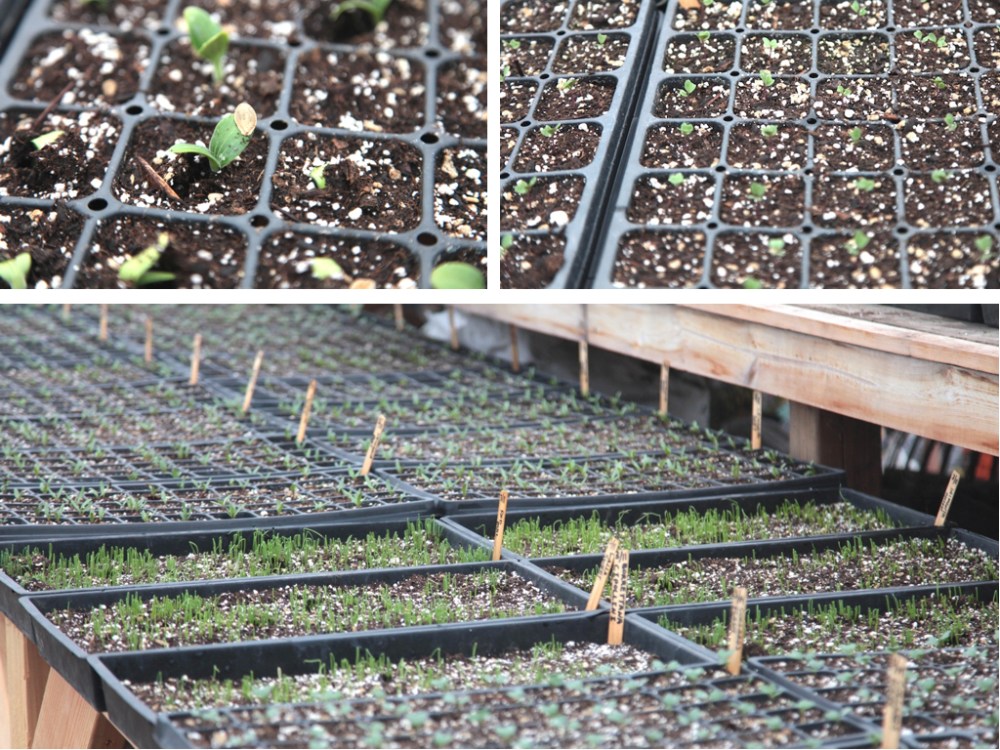
Starting plants from seed is one of the most beautiful and meditative things you can do with your time. If you have any questions please feel free to comment and I’ll be happy to respond. Enjoy your spring Portland.
cheers,
farmer Brian
A duck fell in love with a rock. It was a large rock, about the size of a duck actually, that was situated off the bank of the river, a little past the old elm.
Every day after lunch, the duck would saunter off to admire the rock for a while.
“Where are you going?” said the other ducks.
“Nowhere,” said the duck. “Just around.”
But the other ducks knew exactly where he was going. And they all laughed at him behind his back.
“Stupid duck is in love with a rock,” they snickered. “Wonder what kind of ducklings they will have.”
But there was one duck, a girl duck, who did not laugh. She had known the strange duck for a long time and had always found him to be a good and decent bird. She felt sorry for him. It was hard luck to fall in love with a rock. She wanted to help, but what could she do?
She trailed after the duck and watched him woo the rock from behind a tree.
“I love you,” the duck was saying. “I love you. I love you. I love you. I love you more than the stars in the sky. I love you more than the fish in the river. I love you more than, more than–” And there he stopped for he could think of nothing else that existed.
“Life itself?” said the girl duck from behind the tree. She hadn’t meant to pipe up. The words just sort of leapt out of her.
The duck spun around to look at her. He was terrified.
“It’s OK,” said the girl duck, waddling out from behind the tree. “I know you’re in love with the rock. In fact, everyone knows.”
“They do?” said the duck.
“Yes,” said the girl duck. “Yes, they do.”
The duck sighed and sat down on the ground. If he had had hands, he would have buried his head in them.
“What am I going to do?” he said. “What am I going to do?”
“Do?” the girl duck said.
“How can it go on like this?” Said the duck. “I love a thing that can not speak, can not move, can not– I don’t even know how it feels about me.”
The girl duck looked at the rock. She didn’t know what to say.
“I know,” said the duck, “you think I’m crazy. You think it’s just a rock. But it isn’t just a rock. It’s different. It’s very different.” He looked at the rock.
“But something has to happen,” he said, “and soon. Because my heart will break if this goes on much longer.”
That night, the girl duck had a hard time sleeping. She kept paddling around in circles, thinking about the rock, and the duck, and his heart that might break.
She thought long and hard. And before morning, she had an idea. She went and woke up the strange duck.
“Things happen when they must,” she said, as if it were an extremely meaningful statement.
“So?” said the duck.
“So I have a plan,” said the girl duck, “and I think that it will work.”
“Well, what is it?” said the duck, nearly bursting with excitement.
“We will need help,” said the girl duck. “And it will take some time. And also, we will need a cliff.”
Two days later they set out. It took four ducks to carry the rock. They worked in teams and traded off every 15 minutes.
Everyone joined in, even though they laughed, for ducks are all brothers when it comes right down to it.
“The cliff is over that hill and then quite a ways to the south,” said the most elderly duck. “I remember flying over it when I was fledgling. It looked like the edge of the world.”
The ducks trudged on under their rocky weight for hours. For hours, and then for days.
At night, they camped under hedges and strange trees, and ate beetles and frogs.
“Do you think it will be much farther?” said one of the ducks.
“Maybe,” said the old duck. “My memory is not so good anymore.”
On the sixth day, the ducks began to tire.
“I don’t believe there is a cliff,” said one of them.
“Me neither,” said another. “I think the old duck is crazy.”
“My back hurts,” said a third duck. “I want to go home.”
“Me too,” said a fourth. “In fact, I’m going to.”
And then, all the ducks began to turn for home. The rock fell to the forest floor and lay there. The strange duck looked imploringly at the girl duck.
“Don’t worry,” she said. “I won’t leave you.”
They watched all the other ducks flee homeward. And then they hoisted the rock onto their backs and trudged on.
“What do you think will happen when we throw it off the cliff?” said the duck.
“I don’t know,” said the girl duck. “I just know it will be something.”
Finally, they came to the edge of the cliff. The drop-off was so great they couldn’t see the ground. Just great white clouds spread out before them, like an endless, rolling cotton blanket.
“It looks so soft,” said the duck.
“Yes, it does,” said the girl duck. “Are you ready?”
The duck looked at the rock.
“This is it, my love,” he said, “the moment of truth. And whatever happens, please remember, always remember, I love you.”
And the two ducks hurled the rock off the cliff together.
At first the rock simply fell “like a rock,” one might say. “Like a stone.” But then something began to happen.
It began to slow. It began to grow. It began to change. It narrowed. It elongated. And it also spread sideways.
“It’s becoming a bird,” the girl duck said.
And it was. It was becoming a beautiful gray bird, really not that unlike a duck. Its wings began to move slowly up and down, up and down. And it dove down, and then coasted up. It looked back over its shoulder at the two ducks on the cliff, and it called out just once, “Good bye.”
And then it was going, going, getting smaller and smaller, flying off over the blanket across the sky.
When they reached the pond, the other ducks gathered around and clamored to hear what had happened. The duck and the girl duck glanced at each other.
“Nothing,” said the girl duck. “It fell.”
In the days that followed, the duck stayed to himself. The girl duck went and swan around in circles. She thought about that rocky bird flying off into the sky. She saw it over and over in her mind.
And then one day, not too many days later, she looked and saw the duck come swimming up. He was carrying a small salamander in his bill.
“For me?” the girl duck said.
And the duck smiled.
Ira Glass
Ben Loory, reading a story from his book, Stories for the Nighttime and Some for theDay.




Mattias Adolfsson
By ADAM DAVIDSON
Published: March 6, 2012
Last month, after immersing myself in Brooklyn’s artisanal-food scene, I felt the need that many in my home borough have these days: to get out on a farm and smell the manure. So I drove an hour and a half southwest of New York City to spend the day with three generations of dairy farmers.
The Risks of Dairy Farming
Bob Fulper, 85, was born on what is now Fulper Farms in West Amwell Township, N.J. So was his son, Robert, 54, who currently runs the place with the help of his brother, Fred, who is 51. Robert’s daughter, Breanna, 24, recently graduated from Cornell with a degree in dairy management. Breanna would like to lead the family business into the next generation, but she realizes it might not be financially possible. The modern dairy farm, it turns out, represents many of the volatile and confusing trends that have roiled the U.S. economy over the last decade.
This, despite the fact that dairy farming has become shockingly more productive. When Bob was a kid, during the Depression, he and his 10 siblings milked the family’s 15 cows by hand and produced 350 pounds’ worth of milk per day. By the time Robert was a teenager, in the 1970s, the farm had grown to 90 cows — all of which were milked automatically through vacuum technology — and sold around 4,000 pounds of milk per day. Now the Fulpers own 135 cows, which produce more than 8,000 pounds of milk.
So the farm should be more lucrative, right? Robert showed me exactly how much money he and his brother made last year, an unusually profitable one for the dairy industry. He asked me not to reveal the number, but let’s put it this way: Robert and Fred start work at 4:30 a.m., finish at 7 p.m. and trade Sundays off. If you divide their 2011 profit by their weekly hours, they earn considerably less than minimum wage. Unlike in their father’s day, they have little money left over to invest in new equipment. One of their computers runs on MS-DOS.
How could Robert and Fred — who produce so much more milk than their dad — end up making less money? There are a number of reasons, some obvious, others less so. Milk went from a local industry to a national one, and then it became international. The technological advances that made the Fulpers more productive also helped every other dairy farm too, which led to ever more intense competition. But perhaps most of all, in the last decade, dairy products and cow feed became globally traded commodities. Consequently, modern farmers have effectively been forced to become fast-paced financial derivatives traders.
This has prompted a significant and drastic change. For most of the 20th century, dairy farming was a pretty stable business. Cows provide milk throughout the year, so farmers didn’t worry too much about big seasonal swings. Also, at base, dairy-farming economics are simple: when the cost of corn and soybeans (which feed the cows) are low and milk prices are high, dairy farmers can make a comfortable living. And for decades, the U.S. government enforced stable prices for feed and for milk, which meant steady, predictable income, shaken only by disease or bad weather. “You could project your income within 5 to 10 percent without trying too hard,” says Alan Zepp, a dairy-farm risk manager in Pennsylvania.
But by the early aughts, to accommodate global trade rules and diminishing political support for agricultural subsidies, the government allowed milk prices to follow market demand. People in other parts of the world — notably China and India — also became richer and began demanding more meat and dairy products. Animal feed, especially corn and soybeans, became globally traded commodities with all the impossible-to-predict price swings of oil or copper. Today Robert can predict his profit or loss next month with all the certainty that you or I can predict the stock market or gas prices. During my visit, Robert said that his success this year will be determined by, among other things, China’s unpredictable economic growth, the price of gas (influenced, of course, by events in Iran and Syria) and the weather in New Zealand (a major milk exporter), where a drought can send prices skyrocketing.
There are ways to manage, and even profit from, these new risks. The markets offer a stunning range of complex agricultural financial products. Dairy farmers (or, for that matter, anybody) can buy and sell milk and animal-feed futures, which allow them to lock in favorable prices, hedge against bad news in the future and so forth. There’s also a new product that combines feed and milk futures into one financial package, allowing farmers to guarantee a minimum margin no matter what happens to commodity markets down the road.
The Fulpers, like most people, are too busy with their day jobs to truly monitor the markets. But dairy farming has its own 1 percent: that tiny sliver of massive farms, with thousands of cows, that make the biggest profits and are better equipped to pay agriculture-futures experts to help them manage risk. They continue to invest and grow. Unable to keep up with the changes, many smaller farms have gone out of business in the past decade.
Robert Fulper says that he and his brother have done a good job keeping their farm alive and healthy during this chaotic time, just as their father transformed the tiny, Depression-era farm into a solid, modern business. Now “the next generation is going to have to figure some things out,” Robert says, looking at his daughter, Breanna. The good news is that she’s already trying. While at Cornell, Breanna used her family farm as a case study and developed a business plan to profit from their proximity to New York City and northeastern New Jersey. She began a summer camp in which kids spend a week caring for cows, learning about agriculture and running around a huge open space for $425 per week. Now the camp is almost as profitable as a year of milking cows. “That summer-camp program put me through Cornell,” Breanna says with a laugh. She’s also negotiating with a cheesemaker to turn their milk into high-value Fulper-branded cheese.
Bob, her grandfather, told me a number of hysterical, unprintable farm jokes during my visit, but he turned pensive when it came to his farm’s future. When times were bleak, he said, it used to be possible to work your way out of the problem. “You just stay in the cowshed longer, work harder,” he says. Now, he realizes, “if you don’t use your head, your hands aren’t gonna help you.” And even then, you might not make it.
This is one of my favorite times of the season. It is quiet this time of year, just you, your thoughts and the rain pitter pattering on the roof. It isn’t the time for heaving shovels and straining backs; it is full of small, thoughtful movements. Planting a single seed in every cell. Mixing light soils to make the perfect bed for your seed. Warming cold fingers by the fire. This time of year reminds me to do the small things for those I love.

“It is a tragedy of the first magnitude that millions of people have ceased to use their hands as hands. Nature has bestowed upon us this great gift which is our hands. If the craze for machinery methods continues, it is highly likely that a time will come when we shall be so incapacitated and weak that we shall begin to curse ourselves for having forgotten the use of the living machines given to us by God.”
Mahathma Ghandi
I want to be better. I want to be more patient. I want to be more thoughtful. I want to work harder. I want to feel more connected. I want so much more…
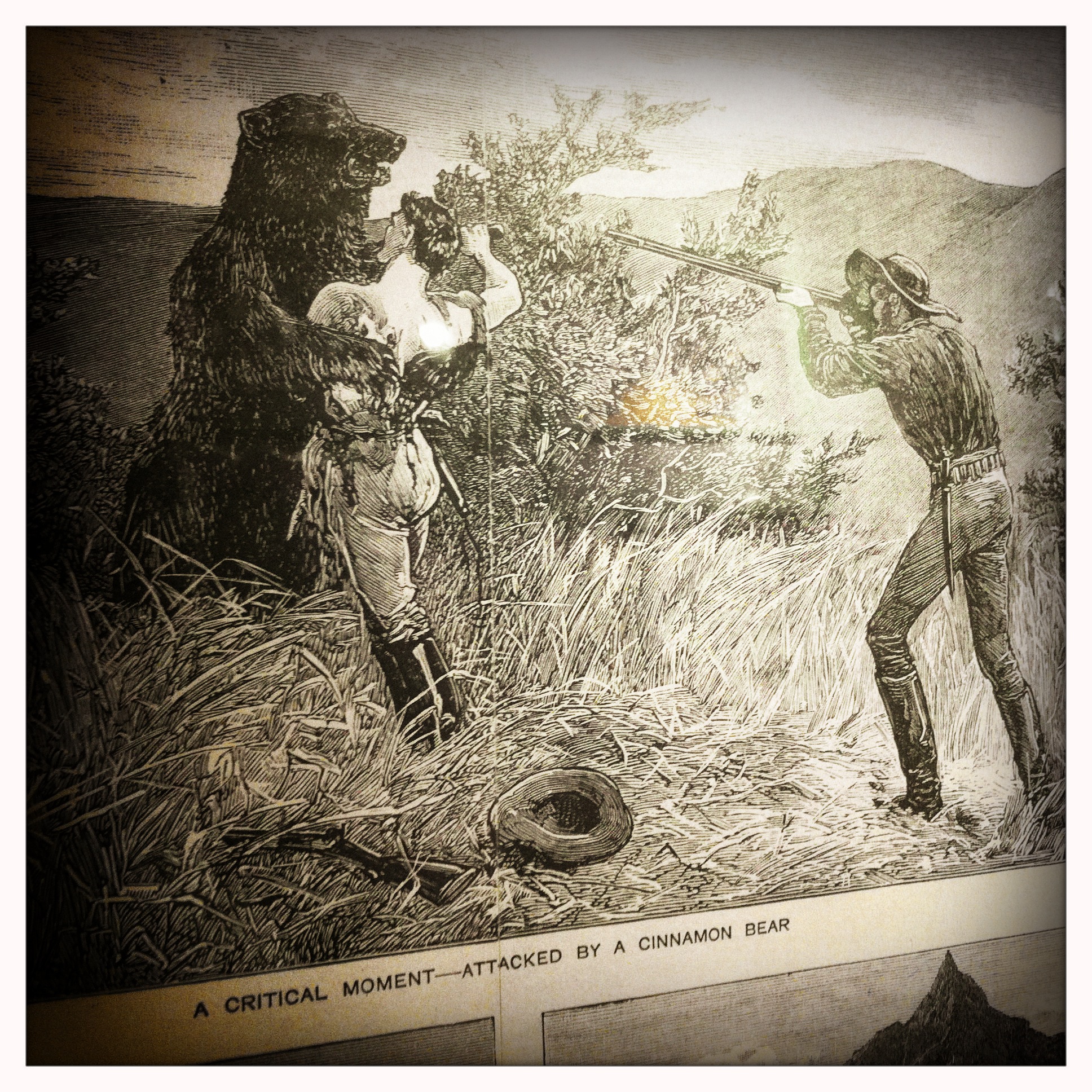


from farm fresh organic strawberries. Come on spring we are ready!

I have an unyielding love for old tools both because I can learn to fix them myself and because they make me feel as though I am part of something greater, something that has history. I often imagine the dinner tables or rocking chairs that were brought forth from these machines. I think of the families that sat around those tables and the grandsons that sat on the knees of grandpas as they rocked to and fro.
This is a 1950’s Delta Rockwell Jointer that I will be using to build our CSA farm crates. I bought it for next to nothing from an old timer in Damascus. It needs a little TLC but I am lookin’ forward to learning more about the machine and to restoring it to its’ original glory.

 working hands farm