

In Greek mythology, Hypnos, the god of sleep, created a poppy drink to quell the grief of the corn goddess Demeter whose daughter, Persephone, had been abducted to the underworld. While Demeter mourned, famine covered the land. Hypnos’s drink forced Demeter into a state of gentle slumber and healing. She awakened comforted, and the world was made green again. To this day some farmers sow poppies among the corn plants to ensure a healthy harvest.
 our favorite pastime
-Francis Ford Coppola
-I said that.



We would like to welcome the most optimistic of fruits, the strawberry. Thanks strawberry, for reminding us of innocent summers and starlit skies.

– Steve McQueen
To learn more about Coava click here
The trouble with pine nuts is that they’re nearly impossible to toast consistently (and of course, they taste so much better roasted than raw). Each time I’ve browned a batch, I’ve tried a new “technique” – on a Silpat in the oven on low heat, over low flames in a skillet, in a toaster oven – but no matter what I’ve done, half of them are always bitterly charred, and I have to pick my way through the batch one precious seed at a time. In this third recipe of our weekly video series, I’ve finally learned a solution to The Pine Nut Problem. You can cook them in frothy butter, risotto style, stirring continuously for just a few moments until they’re perfectly golden… and, conveniently and deliciously, coated in butter.
I love any type of hearty green paired lavishly with bacon, and the sweet kiss of golden raisins and perfectly toasted pine nuts make for fabulous eating. If you’re not excited about kale, try this dish with earthy beet greens, bitter dandelion greens, or peppery radish tops. – Jennifer Pelka
Warm Kale Salad with Brown Butter Pine Nuts, Smoked Bacon, Golden Raisins and Parmesan
by Ithai Schori
2 large bunches of kale, thoroughly washed and dried
Olive oil, as needed
Salt and pepper to taste
1 shallot, peeled and finely diced
¼ cup dry white wine
¼ cup water
A few knobs of butter
A handful of pine nuts
4 strips of thick-cut smoky bacon
A handful of golden raisins
1 lemon
Parmesan cheese, broken by hand into small chunks, to taste
Remove the thick stems from each leaf of kale, and cut the leaves into large but manageable pieces, about 2-3 inches long.
In a pan over high heat with olive oil, cook kale until lightly softened and bright green, but still crunchy. Salt to taste. Transfer cooked kale to a bowl and allow to cool. (You’ll want to cook the kale in small batches to avoid crowding, and use fresh oil for each new batch. Wipe the pan between each batch to avoid flavoring your kale with burnt oil.)
Over low heat, sweat the shallots with olive oil until translucent. Season with a bit of salt. Cover the shallots with the wine and water. Bring to a boil and then immediately turn the heat down to a slow simmer. Reduce until the liquid has almost but not quite evaporated. Pour the shallots over the cooked kale and allow to cool.
For the pine nuts, place a good amount of butter in a pan over medium-high heat. When the butter becomes frothy, add the pine nuts. Cook as though this were a risotto, stirring constantly. This technique mimics a shallow fry and cooks the pine nuts evenly. Once they have become almost golden, transfer to a paper towel-lined dish to drain and cool. They will continue cooking from the residual heat, so be sure to pull them off earlier than you might initially think. Add to kale.
Cut the bacon into bite size pieces. Slowly render over low heat until crispy. Transfer to a paper towel-lined dish to drain. Add to kale.
Add golden raisins and lemon juice to taste to kale, and toss all to combine.
This was reposted from an amazing website called Gilt Taste. Check it out. http://www.gilttaste.com/stories/582
In 1985 the Victoria and Albert Museum in London published its “Good Design Guide”, a collection of the “100 most beautiful products in the world”. One of those products is the Opinel knife. It is also exhibited by the New York’s Museum of Modern Art (MOMA) as a masterpiece of design, alongside other industrial objects which have defied time. The simple but ingenious design, which has remained virtually unchanged for a century or more, is widely felt to have made the Opinel into something of a design classic.
Opinels are light to carry and not expensive to replace if lost.The models with carbon steel blades do require a certain amount of maintenance (regular sharpening and oiling of the blade to prevent corrosion), but if looked after well they will last a long time, and the steel blade and wooden handle acquire a pleasing patina with age. One of the foremost advantages of this simplicity of design and manufacture is the low price – other “classic” knives such as theLaguiole and Nontron knife are very expensive – which makes it possible to own several knives, perhaps in different sizes, colours or materials. The Opinel is cheap enough to be marketed in boxed presentation sets or as a corporate gift. Some owners even use their knives as raw materials for their own creative efforts, decorating the wooden handle with pokerwork or carving it into fantastical designs of their own invention. Opinel created the “Opinel wide handle” models aka “les ébauche” to cater to knife carvers. The traditional beech handle takes stains well, and is easily worked to a person’s liking with common sandpaper.
-Article from Wiki

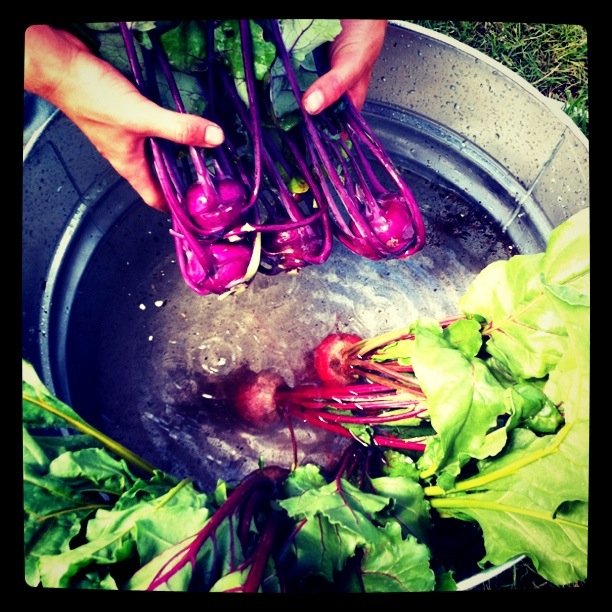
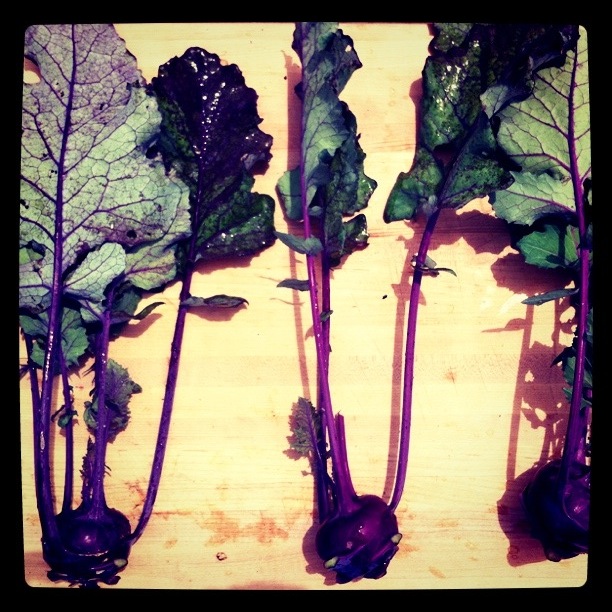
 working hands farm