__________________________________________________________________________ Your Contribution (as easy as 1, 2) The full payment (of $625) is due when signing up for the CSA. Once your payment is received we’ll send you a confirmation email welcoming you to our CSA program. It is important to sign up for your share as early as possible in the season for two reasons: to reserve your CSA share, as shares are limited to 75, and to help your farmers absorb the initial expenses in the beginning the season. If you prefer to pay for your share in two installments please contact us at workinghandsfarm@gmail.com and we can make and specific arrangement. __________________________________________________________________________ (Step 1) Send a Check Make it out to ‘Working Hands Farm’ and send it to 16200 SW…
Posts from the “Farm” Category
This post is all about seed starting in the NW and specifically in Portland. It covers what you need to start veggies from seed, where you can buy what you need, the simple science of starting seed (not from a dandies perspective but from a farmers) and a very basic applied methodology. If starting from seed is still too intimidating for you just swing by the farm and I’ll get you started in proper fashion. Enjoy!
The Seed:
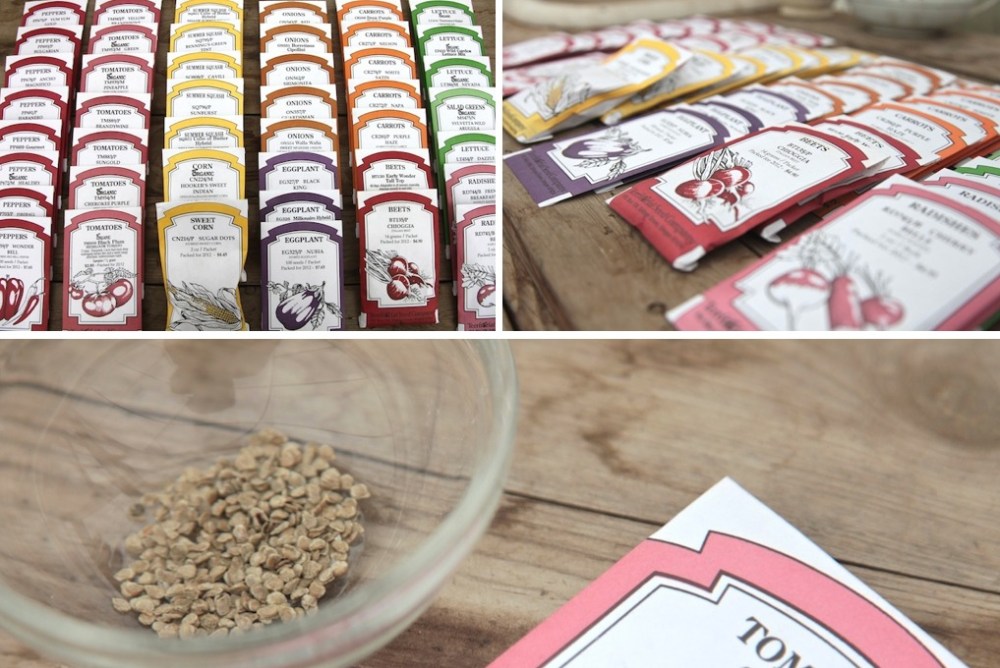
The seed needs come from a reliable source and if you are purchasing it you should only buy the current years seed. I have primarily used Territorial Seed, based in Cottage Grove, for the past three seasons and I am a huge fan. Their seed tends to be a little expensive but you pay for what you get. When storing the seed you should keep it in a cool dry place and if you take good care of it it will last you a couple of years.

The Blend:
It is not worth your time to start seed with garden soil so fork over the cash to buy a seed starting medium. I buy mine from Concentrates (they are total sweet hearts by the way) located near Bob’s Red mill in deep S.E. and they sell for $10 a bag (1.5 Cubic feet). I blend three parts of the orange bag (an almost nitrogen neutral potting soil) to one part seedling medium (completely nitrogen neutral, purple bag). I do this for a couple reasons, one because most seedling mediums that you buy tend to crust over and impede the sprouts from breaking through into the open air. The second reason is that I want to dilute the amount of nitrogen in the soil from the orange bag because nitrogen promotes foliar growth in plants and too much growth in seedlings. That is why when most gardeners plant in a potting soil or compost they get leggy, tall weak plants, not because you don’t have enough light but because the soil is too nitrogen rich. Remember seeds don’t know photosynthesis, they don’t need light in the beginning. So Nitrogen is bad for seed starting. The three numbers you see on the orange bag refer to the NPK ratio (Nitrogen, Phosphorus, Potassium) of the soil medium. For seed starting you want those numbers as close to zero as possible. So now you know what to plant your seeds into, where to buy what you need and how much it costs.
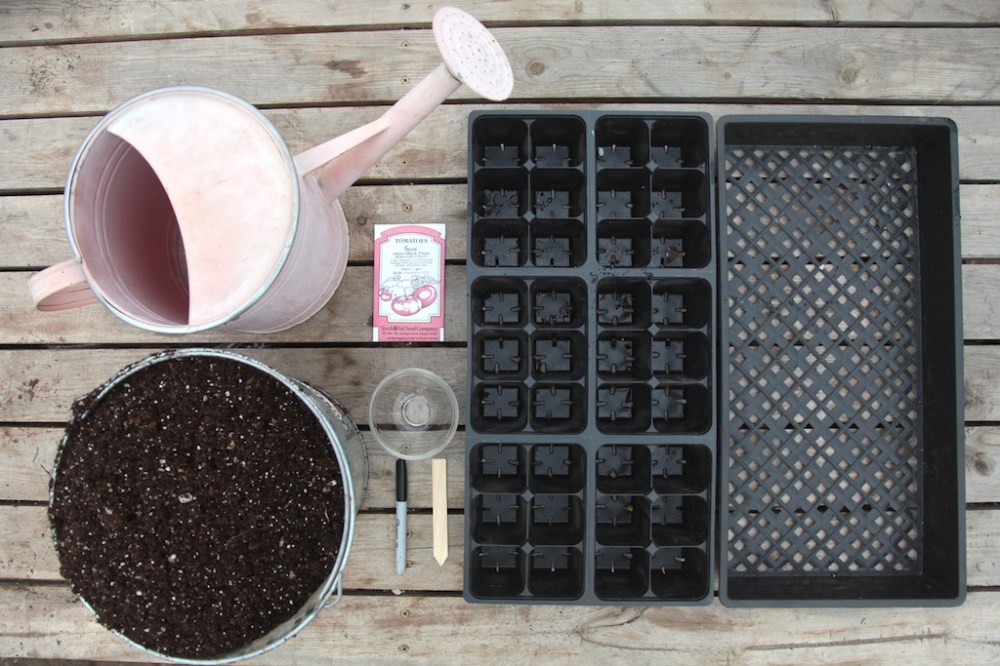
The Tools:
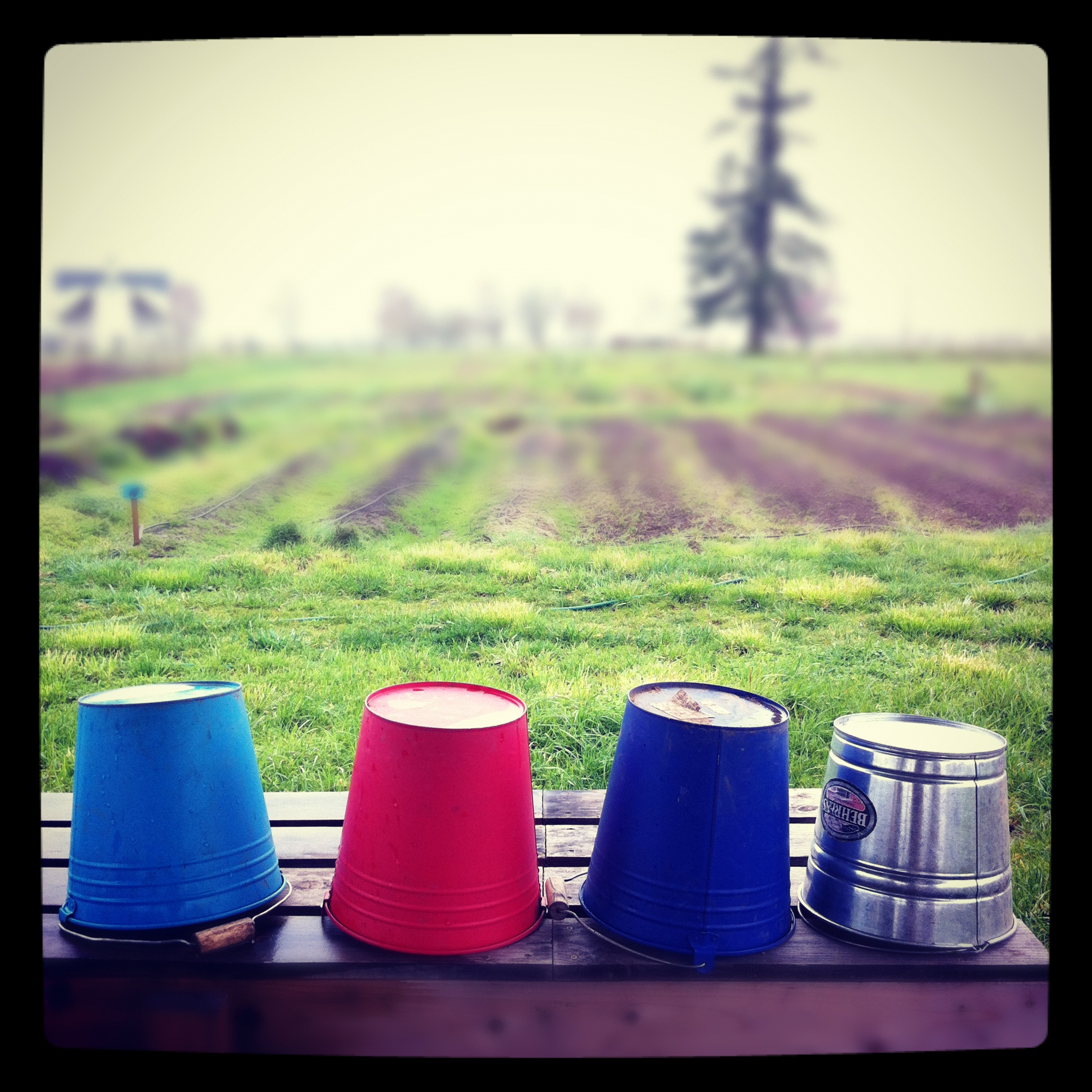
You can see in the picture above. Watering can, bucket of soil, bowl (not needed if you have the tinest fingers in the world), a pen (because you need to write down what seeds you are starting on a tag otherwise you will forget), a tray (can be purchased at any garden store but if you want to buy the in bulk you can buy sets of 100 from Mckonkeys in Wilsonville. This is all you need besides what nature provides.
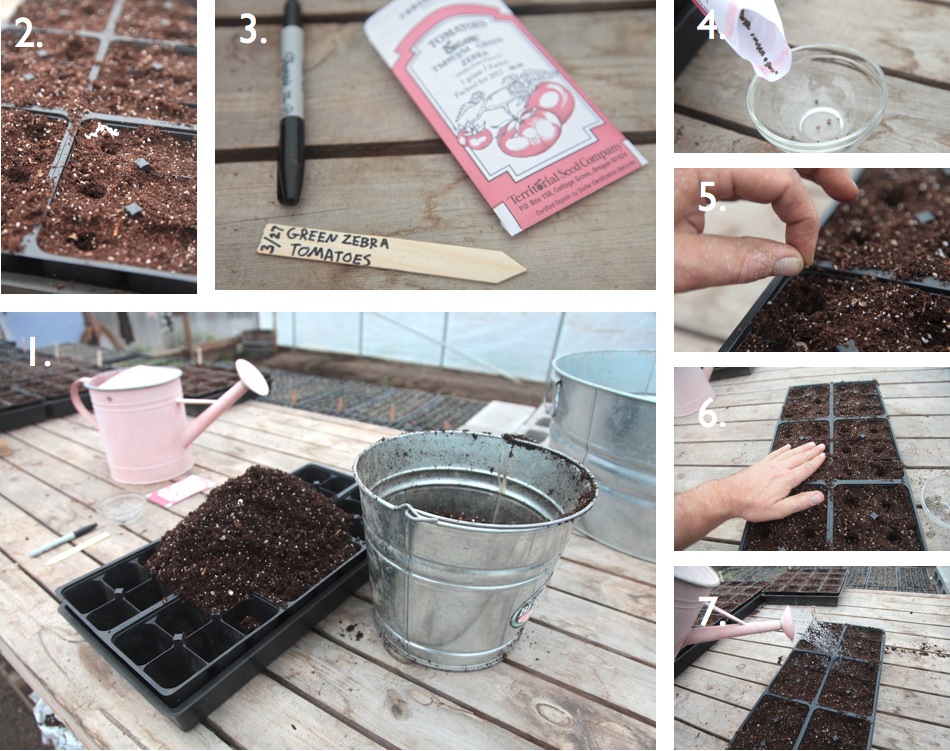
The Method:
Okay, so here is how seed starting works. Veggie seeds need three things in order to germinate properly: air, water, heat (heat via soil conductivity). You get air from the space in the seedling medium that you are using. It has a bunch of stuff in it that is spongy (vermiculite, Pumice, etc..) and most importantly it has Peet Moss (which can be substituted for coconut coir depending on which one you think is more ethical) and peet moss in considered to be both hydrophobic (afraid of water) and hydrophilic (a lover of water) which means your little seed will have access to both water and air. You will add the water and you should wet the soil all the way through after you have planted your seed. Folks commonly say that it should have the moisture content of a wrung out towel, which I can’t figure out how to reproduce so don’t worry about it, just don’t let it dry out completely. With this mix you only need to water every two or three days at 70 degrees F. Now to explain heat, veggie seeds all germinate at a different temperatures. Peppers want the most heat, 80 to 90 degrees, so if you want to germinate those bad boys you will need an electric heating mat that you can purchase from any garden store. They are a touch expensive ranging from $30-$70 but peppers are expensive to buy so you can decide for yourself. Tomatoes need about 70 degree F to germinate and everything else is below that. Your average house temperature will be just fine and if you are concerned or want to feel more connected to the process you can buy a soil thermometer for a few bucks at any garden store and keep track of your soil temp. I use them all the time. As far as how deep you need to plant your seed into the tray don’t worry about it, I don’t. So now you know what a seed needs to germinate.
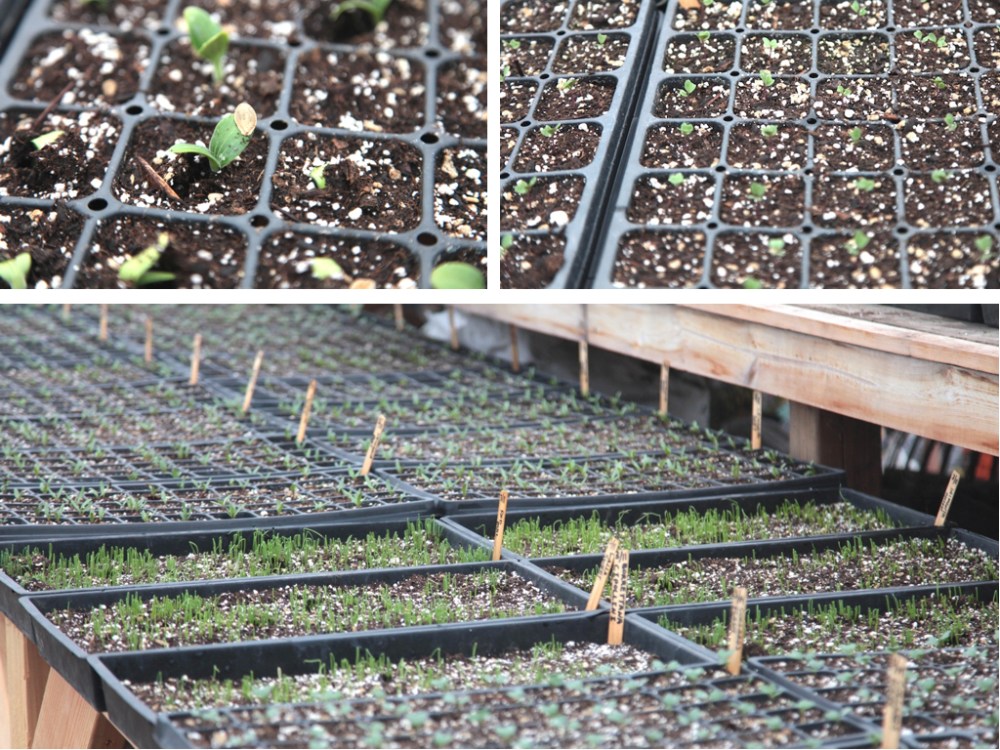
Starting plants from seed is one of the most beautiful and meditative things you can do with your time. If you have any questions please feel free to comment and I’ll be happy to respond. Enjoy your spring Portland.
cheers,
farmer Brian
This is one of my favorite times of the season. It is quiet this time of year, just you, your thoughts and the rain pitter pattering on the roof. It isn’t the time for heaving shovels and straining backs; it is full of small, thoughtful movements. Planting a single seed in every cell. Mixing light soils to make the perfect bed for your seed. Warming cold fingers by the fire. This time of year reminds me to do the small things for those I love.



from farm fresh organic strawberries. Come on spring we are ready!

I have an unyielding love for old tools both because I can learn to fix them myself and because they make me feel as though I am part of something greater, something that has history. I often imagine the dinner tables or rocking chairs that were brought forth from these machines. I think of the families that sat around those tables and the grandsons that sat on the knees of grandpas as they rocked to and fro.
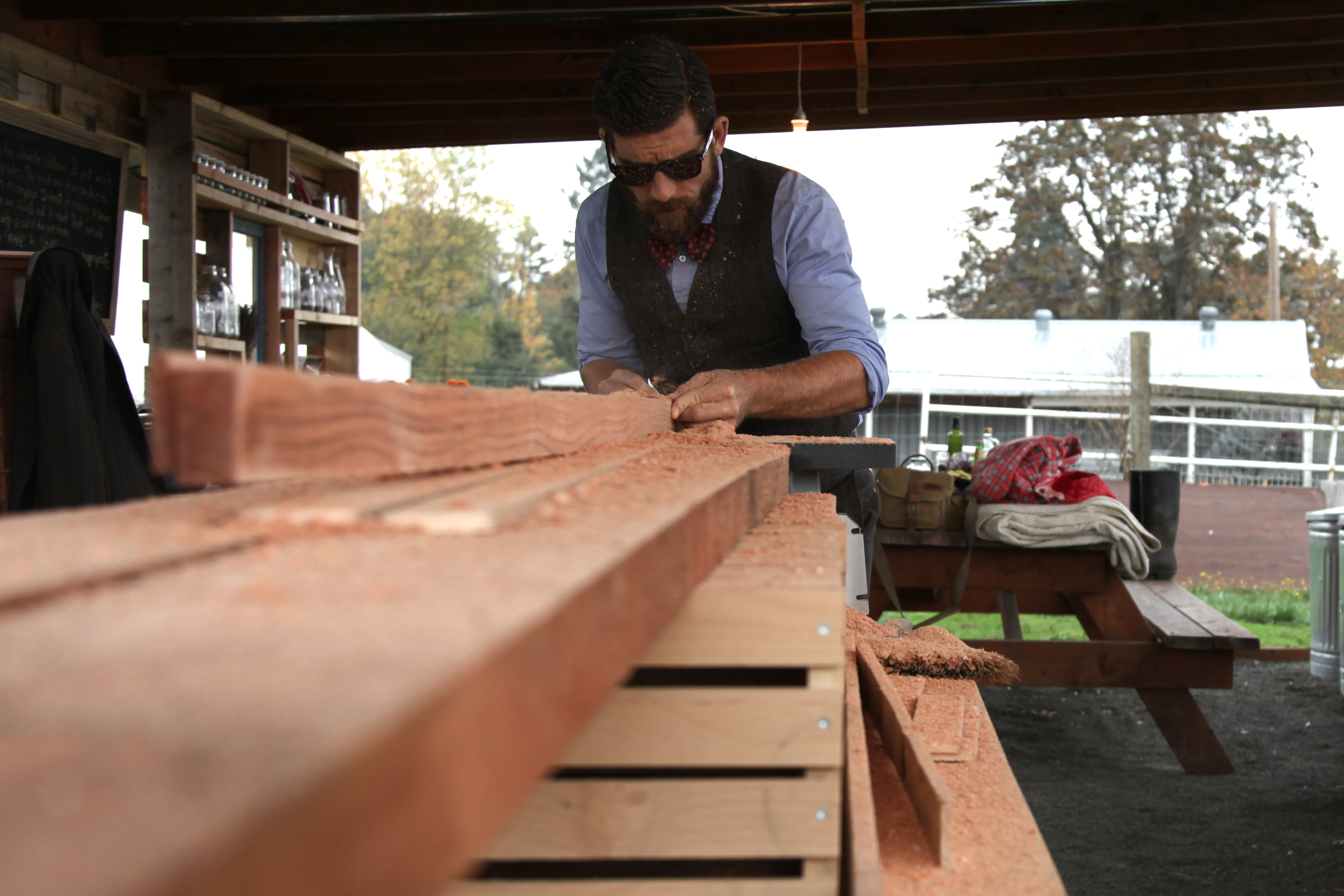
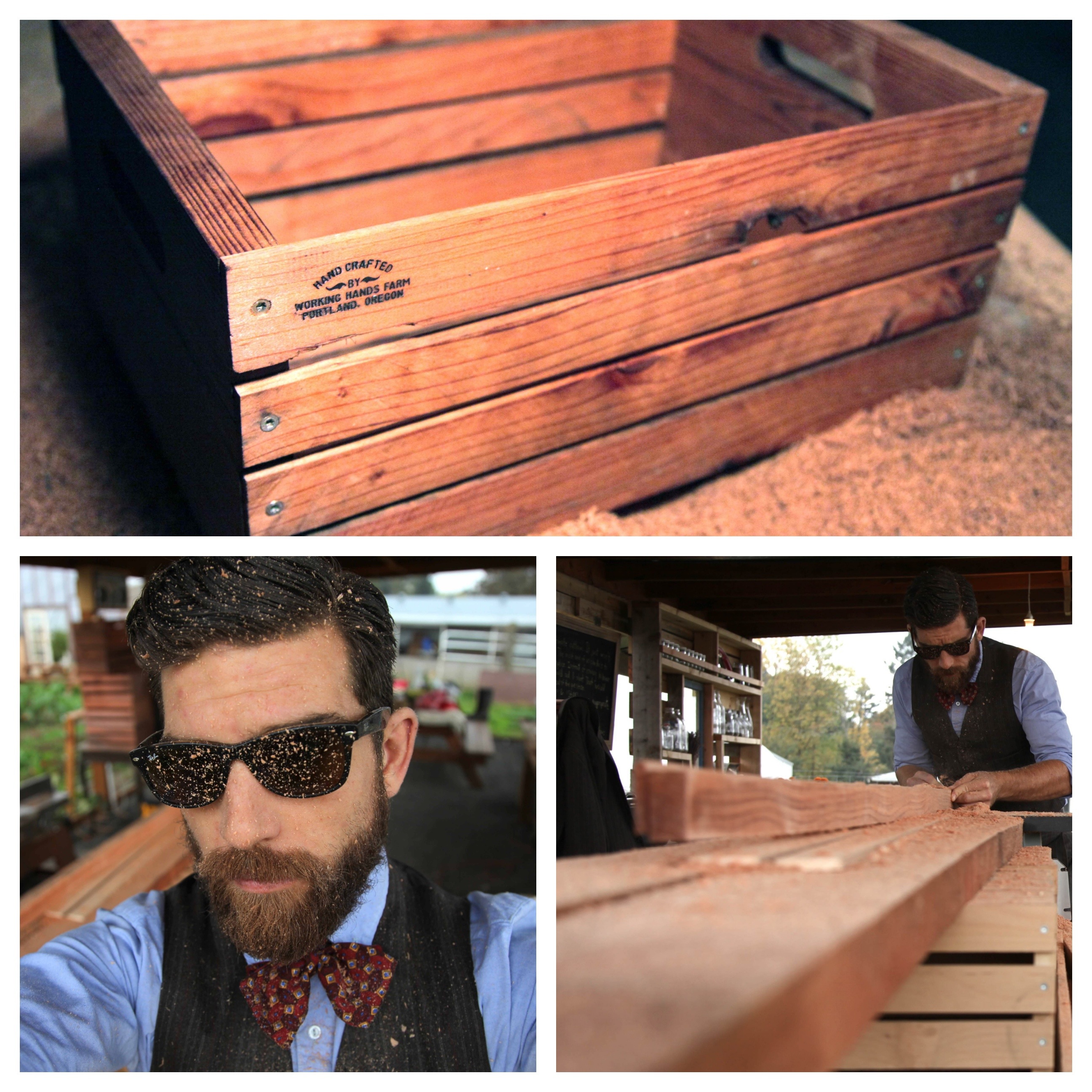
This is a 1950’s Delta Rockwell Jointer that I will be using to build our CSA farm crates. I bought it for next to nothing from an old timer in Damascus. It needs a little TLC but I am lookin’ forward to learning more about the machine and to restoring it to its’ original glory.

Qty Item # Description Price 1 TM875/L Ananas Noire Tomato Organic – Ananas Noire Tomato Seeds Organic $3.25 1 PP678/P Ancho Magnifico Pepper – Ancho Magnifico $8.25 1 ML462/S Athena Melon – Athena Melon Seeds $3.65 1 BR088/P Belstar Broccoli – Belstar $11.95 1 SQ795/P Benning’s Green Tint Squash – Benning’s Green Tint $3.35 1 SQ790/B Black Beauty Squash – Black Beauty $5.55 1 EG327/P Black King Eggplant – Black King $5.75 1 TM909/L Black Plum Tomato Conventional & Organic – Black Plum Tomato Seeds Organic $2.85 1 TM890/S Black Tomato Conventional & Organic – Black Heirloom Tomato Seeds $3.05 1 SP782/P Bordeaux Spinach – Bordeaux $4.65 1 ON551/S Borrettana Cipollini Onion – Borrettana Cipollini Onion Seeds $2.35 1 TM889/P Brandywine Tomato Conventional &…
how we farmers spend our winters.
As a farmer who doesn’t own land, who doesn’t have a proper workshop and who dreams of having a Fire engine red tool box some day, I love this. It helps me to dream and to have confidents in those dreams. It is a blessing to have a craft… to be a craftsman.

Volunteers are the community that is Working Hands Farm. Without friends, family, the occasional stranger that willingly reaches out, the passerby that pulls in, and the thoughtful friend of a friend who knows this one person who loves pulling thistle bare handed, Working Hands could not exist. So come out and spend a day, week, month or life on the farm getting your hands dirty. Shoot me an email at workinghandsfarm@gmail.com and get inspired.
Reason #2 to join our CSA. Know your farmer and spend time on your farm. A home aways from the city at Working Hands Farm. Juliet Zulu spent a day with us last summer while we toured around Portland giving away mini CSAs to the businesses we admire in the city we love.

____________________________________________________________________________________________________________
Working Hands Farm
is a small organic CSA farm located 17.4 miles outside of Portland, Oregon. We utilize a variety of different environmentally friendly farming methods such as, cover cropping, integrated pest management, inter-planting, composting, etc… We believe that it is essential to feed our community safe and nutritious fruits & vegetables. Our farm specializes in growing European varietals that should inspire new gastronomic adventures in all of the households we feed. Working Hands Farm was started in 2010 by Brian D. Martin, a Portland native, with the goal of bringing a new perspective to our urban farming community. We invite you all out to the farm to come see and experience how we are doing things differently. Bring a nice bottle of wine, a blanket and something to snack on and enjoy the beauty of our garden.
____________________________________________________________________________________________________________
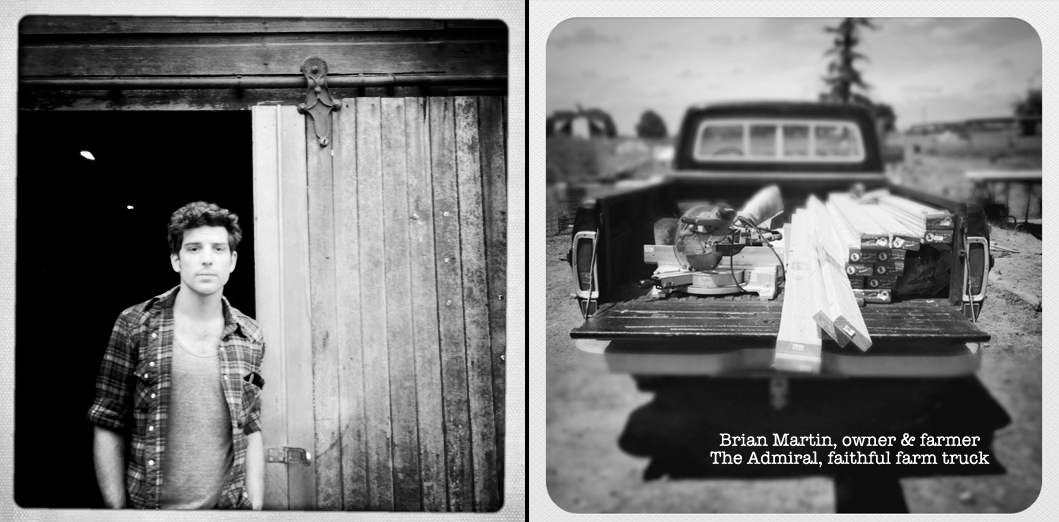
“When the community is connected to its soil the plants are not the only things to grow roots.” -Brian D. Martin
Brian was born and raised in Portland, Oregon and will forever call it his home. He attended the University of Oregon for his formal education and received B.A. in English Literature in 2007. He has since spent the majority of his time abroad on a variety of humanitarian projects: starting as a volunteer in Argentina while studying spanish, then working professionally in Uganda (where he had his very first garden) and most recently working in Haiti. These experiences have served as a catalyst in his life and in many ways are what lead to the birth of the farm, moving from chaos and contradictions to the peace of meditative labour, one giving strength to the other and back again. Brian started Working Hands Farm in 2010 and with the support from his friends, his family and his CSA members he hopes to farm for the rest of his life.
____________________________________________________________________________________________________________

From Oregon to Louisiana, Uganda and India, I recall meals at wooden tables, in multi-family living rooms, under thatched huts, and on concrete rooftops. Every day of work on the farm is a remembrance of these gatherings and of the associations I have with people, places and things. I see each task as an opportunity to appreciate the tales our lives tell. Beets, kale and bacon are among my favorite things to eat.

and we take it, meaning variety, very seriously
$625 = 20 weeks of delicious organic fruits, veggies, cut flowers, tea, locally roasted coffee and more… Welcome to Working Hands Farm. Our farm prides itself on offering to you a weekly CSA crate full of the freshest, most nutrient dense produce you can bring into your own home. Produce that is harvested just hours before you pick it up – the closest thing to growing it in your own back yard. What is a CSA (community supported Agriculture)? In basic terms, CSA consists of a community of individuals who pledge support to a farm operation so that the farmland becomes, either legally or spiritually, the community’s farm, with the growers and consumers providing mutual support and sharing the risks and benefits of food production. Typically, members or “share-holders”…
Warm winter greetings to my all favorite CSA members,
Although some time has passed since we last met, a lot has been going with us at Working Hands Farm. We spent the last 3 months working in central Uganda, balancing our time between designing sustainable firewood stoves for vanilla farmers and starting an organic sister farm. With winter nearly over (we’re only a month and half away from the Spring Equinox) we’re excited to begin the 2012 farming season.
At the heart of the farm are our CSA members and we couldn’t do what we love to do without your support and helping hands. This year we’re looking into utilizing our amazing outdoor space for our community by providing workshops, farm to table dinners, movie nights, cooking classes and more. We’re also determined to spend more time with our members and community by offering farm volunteer parties and children’s programs. We want to share more with you by connecting, week by week, through our farm newsletter. We’ll post recipes, give you weekly updates about what’s going on on the farm, what you can expect to eat in the coming weeks etc, so you can stay connected and really feel a part of what we’re doing day by day.

So you can learn and grow right along side with us.
With the start of the season well on it’s way we’re opening up membership this month. As you know, your support goes a long way this time of the year to purchase seed, compost, potting soil, organic amendments, tractor rentals etc. So, we encourage you to check out our 2012 CSA program and you can purchase your share by clicking here. We’ve been making a few changes here and there to the website and encourage you to pass along the good word to all your friends. The success of the farm depends on it’s amazing community and because of your support we feel more inspired every year.

For other updates – visit the farm blog & our farm facebook page (click “like” for automatic updates in your feed). If you have any questions or comments about this year’s farm season feel free to contact us anytime. We look forward to hearing from you all and seeing you all again in the coming months.
Best wishes,
Farmer Brian
dirty hands, clean hearts.
It is in the off season that the farmer must train. Preparing his or her mind for the physical and mental challenges that lay ahead. This winter Working Hands Farm has embarked on yet another adventure into the wilds of Africa. We will be spending the winter building and designing fuel efficient stoves and training our bodies and minds for the upcoming farm season. Lessons from the jungle begin now…
October. The beginnings of quiet stillness and a time of wondrous change. When the trees sing out amongst the palette of moodier, gray autumnal days., their leaves changing from living green to the most vibrant of reds, burgundies, oranges & yellows. The morning is dark and the air is crisp. A long sleeve shirt, sweater, wellies and wool socks are the shells that are most comfortable for our nest-ready farmer bodies. They have been patiently awaiting this moment all season. On a crispy fall Sunday afternoon, there’s nothing better than harvesting, washing and canning. To take the whole day and spend it in the warmth of the kitchen is the epitome of the change of seasons. After months of getting our hands dirty this…
 working hands farm